High Blood Pressure: The Numbers, the Risks, and the Path Forward
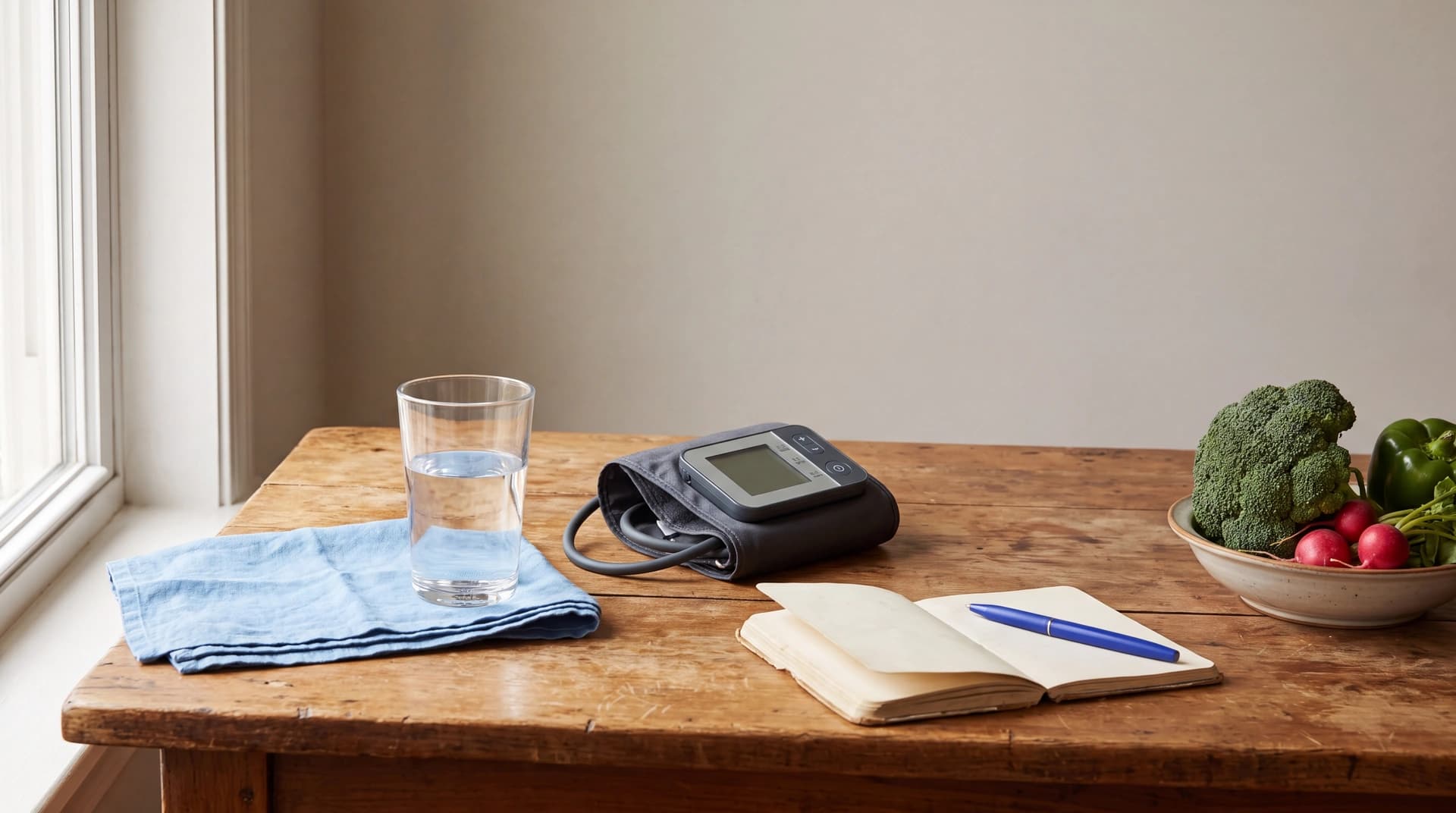

Morningside Medical Team
Introduction
For a long time, a blood pressure reading was treated like a pass or fail line. You rolled up your sleeve, the cuff tightened, a number appeared, and it was either fine or it was not. That way of thinking is changing. The 2025 AHA/ACC high blood pressure guideline, a major update from the American Heart Association, the American College of Cardiology, and eleven partner organizations, shifts the whole question. Instead of asking only "is my number high?", it asks "what does my number mean for my overall risk, and what should I do about it?"
That shift matters because it can change what happens next. The same blood pressure reading can point one person toward a few months of lifestyle change and point another toward starting medication right away. The reading is a doorway, not a verdict.
If you have recently been told your blood pressure is borderline or high, or you are simply trying to make sense of the numbers, this article walks through three things. First, what the numbers actually mean, including the categories and the 130/80 threshold. Second, how your broader cardiovascular risk, not the number alone, now guides treatment. Third, the concrete path forward: measuring at home, giving lifestyle a real trial, and knowing when medication enters the picture. At Morningside Medical, we help patients across New York City understand these numbers so the decisions feel clear rather than confusing.
What the Numbers Actually Mean
Blood pressure is written as two numbers, one over the other. The top number, systolic pressure, is the force in your arteries when your heart beats. The bottom number, diastolic pressure, is the force when your heart rests between beats. Both matter, and either one being elevated can raise your risk.
The 2025 guideline keeps the same categories that were set back in 2017, so the map has not changed even as the guidance around it has. Here is how the readings sort out, in millimeters of mercury (mmHg):
- Normal: less than 120/80
- Elevated: systolic 120 to 129 and diastolic less than 80
- Stage 1 high blood pressure: systolic 130 to 139 or diastolic 80 to 89
- Stage 2 high blood pressure: systolic 140 or higher, or diastolic 90 or higher
The threshold that defines high blood pressure, or hypertension, is 130/80. A summary of the 2025 guideline and the American College of Cardiology's overview both confirm that a reading at or above 130/80 meets the definition. That number can feel jarring if you grew up hearing that 140/90 was the line. But reaching the 130/80 threshold does not automatically mean you need medication. It means it is time to look closer, and that closer look is where the newer thinking really lives.
This is also a good place to point out that high blood pressure is common and usually quiet. Nearly half of US adults have it, roughly 120 million people, and it typically causes no symptoms until damage is well underway. That silence is exactly why measurement matters. You cannot feel your way to an accurate blood pressure. You have to measure it. Our guide to your blood pressure and cholesterol numbers breaks the categories down further if you want a quick reference to keep on hand.
Why the Thinking Changed
The heart of the 2025 update is a move toward earlier prevention. For years, the instinct was to wait until blood pressure climbed into clearly dangerous territory before acting. The newer approach is to catch trouble while it is still modifiable, before the arteries, heart, brain, and kidneys take on damage that is harder to reverse.
There is good reason for that. High blood pressure quietly raises the risk of stroke, heart attack, heart failure, and kidney disease. These are not distant, unrelated problems. They share a common thread, and blood pressure is one of the strongest levers you can pull to lower the odds of all of them. Treating risk earlier, rather than waiting, is a way of heading off those downstream events before they happen.
So the guideline reframes the goal. The point is no longer just to get a single number under a line. The point is to lower your overall cardiovascular risk, and blood pressure is one important piece of that larger picture. That is why two people with identical readings can end up with different plans. Their blood pressure is the same, but their overall risk is not.
PREVENT: Reading the Whole Picture, Not Just the Cuff
To make that "overall risk" idea usable in a real visit, the guideline leans on a tool called PREVENT, short for Predicting Risk of cardiovascular disease EVENTs. PREVENT is a calculator built by the American Heart Association. Rather than looking at blood pressure in isolation, it estimates your risk of a cardiovascular event over the next 10 and 30 years by pulling together several measures at once.
What makes PREVENT different is how much it takes into account. As described in the research introducing the equations, the tool combines heart, kidney, and metabolic information, a fuller view of what actually drives cardiovascular risk. It is designed for adults roughly 30 to 79 years old. One more design detail worth knowing: PREVENT was built to estimate risk without using race as an input, an approach meant to keep the tool accurate and fair for everyone it serves. You can read more about the calculator on the AHA's professional page.
Here is how PREVENT ties back to the decision in front of you. If your blood pressure is at or above 130/80, your calculated 10-year risk becomes the guide:
- If your 10-year risk is below 7.5 percent, the plan usually starts with lifestyle change. You get a defined window, generally 3 to 6 months, to see how far those changes move your numbers before medication is considered.
- If your 10-year risk is at or above 7.5 percent, or you already have diabetes, chronic kidney disease, or known cardiovascular disease, the guideline supports starting medication alongside lifestyle change, rather than waiting.
Notice what this does. It takes the pressure off the single number to carry the whole decision. The 130/80 reading opens the conversation, and your broader risk profile helps decide the path. That is the practical meaning of the shift: treatment decisions now hinge on your overall cardiovascular risk, not the blood pressure number alone.
Lifestyle Change Is Treatment, Not a Waiting Room
It is easy to hear "lifestyle first" and read it as "do nothing for a few months." That is not what it means. For many people at lower risk, structured lifestyle change is the actual first-line treatment, with a real window to work and specific targets to hit. It is an active plan, not a holding pattern.
The changes with the strongest track record for blood pressure are steady, everyday ones:
- Lowering sodium. Most of the salt in a typical diet comes from packaged and restaurant food, not the shaker at the table. Reading labels and cooking more at home is often where the real change happens.
- Following the DASH eating pattern. DASH stands for Dietary Approaches to Stop Hypertension. In plain terms, it means more vegetables, fruit, whole grains, beans, nuts, and lean protein, and less processed food, red meat, and added sugar.
- Moving your body regularly. Consistent physical activity helps lower blood pressure and supports your heart, weight, and mood at the same time.
- Reaching and holding a healthy weight. Even a modest, sustainable loss can meaningfully move your readings.
- Being mindful with alcohol. Cutting back, especially if you drink more than a little, tends to help.
These are the same habits that lower risk across the board, which is part of why the guideline puts them first. They also happen to help with related conditions. If you are working on blood pressure, it is worth knowing how closely it travels with blood sugar. Our post on understanding prediabetes covers habits that overlap almost entirely with the ones here, so progress in one area tends to carry into the other.
The point of the 3 to 6 month window is to give these changes a genuine chance. If your numbers come down enough, you may not need medication. If they do not, medication is a reasonable and effective next step, not a personal failure. Both outcomes are wins, because both are moving you toward lower risk.
The Reading Should Come from Real Life
A single reading in a clinic exam room can be misleading, and the 2025 guideline takes that seriously. It puts real weight on measuring blood pressure outside the office, because that is where you actually live.
Two well-known patterns explain why. White-coat hypertension is when your blood pressure runs high at the clinic but is normal at home, often because the visit itself is stressful. Masked hypertension is the reverse: normal in the office but high in daily life, which is more dangerous precisely because it hides. Relying on one office reading can lead you astray in either direction.
That is why home blood pressure monitoring, and in some cases 24-hour ambulatory monitoring, has become central to both diagnosing high blood pressure and guiding treatment. Home readings taken correctly, at consistent times, sitting quietly with your arm supported, give a truer picture than any single office measurement. If you are checking at home, we can help you confirm your monitor is accurate and show you how to take a reliable reading, because good decisions depend on good numbers.
When Blood Pressure Becomes an Emergency
Most high blood pressure is managed calmly over weeks and months. But there is a level that needs attention right away, and it is worth knowing the line.
A reading above 180/120 mmHg is considered severe hypertension. (The 2025 guideline uses this clearer "severe hypertension" language in place of the older term "hypertensive urgency.") A reading this high deserves prompt medical attention. If it comes with warning signs, treat it as an emergency and call 911. Those signs include:
- Chest pain or pressure
- Shortness of breath
- Weakness or numbness, especially on one side of the body
- Vision changes
- Trouble speaking
These can signal a heart or brain event in progress, and minutes matter. When in doubt, it is always safer to be seen.
How Morningside Can Help
The 2025 guideline is a genuine improvement, but it also asks more of the conversation between you and your clinician. A number no longer speaks for itself. It has to be paired with your full picture, your risk, your history, your goals, and your day-to-day life, to point toward the right path. That is exactly the kind of conversation we are built for.
At Morningside Medical, our primary care team can measure your blood pressure carefully, help you interpret what your readings mean, and walk through your PREVENT risk together so you understand where you stand and why. If lifestyle change is the right first step, we will set clear targets and a realistic window, and check in along the way. If medication makes sense for your level of risk, we will explain the options and choose one with you, not for you. You can learn more about what we offer on our adult primary care page, and you are always welcome at our Harlem office. Wherever you are starting from, the goal is the same: a plan that lowers your risk and fits your life.
This article is for general information and is not a substitute for professional medical advice. Talk to your clinician about your specific situation. In particular, do not start, stop, or change any medication based on this article; those decisions belong with you and your clinician.
Ready to make sense of your numbers and map out your next step? Book an appointment with the Morningside Medical team today.